Modern Techniques Used in API 650 Welding Inspection for Consistent Performance
Wiki Article
A Detailed Look at the Installment Process of Welding Examination Techniques
Welding evaluation is a vital process that ensures structural honesty and security. The installation of assessment strategies involves a number of systematic steps, each indispensable to achieving trusted results. From preparation and device selection to carrying out non-destructive and aesthetic tests, each stage needs careful interest. Understanding these treatments can greatly improve quality control in welding projects. What difficulties arise in applying these strategies, and how can they be properly attended to?Recognizing the Importance of Welding Evaluation
Welding examination is an important part of ensuring structural stability and safety and security in construction and manufacturing processes. This method includes assessing bonded joints for issues, making certain that they meet specific criteria and laws. By methodically gauging weld quality, assessors can determine problems such as fractures, spaces, and incomplete fusion, which can endanger the toughness and resilience of structures.The significance of welding inspection extends past instant security concerns; it helps protect against pricey failings and prospective dangers in the long-term. Efficient evaluation techniques foster compliance with market requirements, thus enhancing the overall dependability of bonded parts. Additionally, a robust examination procedure adds to maintaining the reputation of manufacturers and home builders, as it assures customers of the high quality of their tasks. Inevitably, comprehending the importance of welding examination is vital for advertising safe construction practices and making certain the longevity of important framework and products.
Picking the Right Equipment for Inspection
When selecting the ideal tools for assessment, it is important to ponder the specific demands of the welding procedure and the materials entailed. Various assessment approaches, such as visual, ultrasonic, and radiographic screening, require distinctive devices tailored to their distinct needs. For aesthetic assessments, devices like multiplying calipers and glasses are crucial for evaluating weld high quality. Ultrasonic screening needs customized equipment qualified of transferring and obtaining audio waves to detect internal imperfections. Radiographic testing, on the other hand, utilizes X-ray or gamma-ray resources along with delicate film or digital detectors to expose incongruities.
Furthermore, personal protective devices (PPE) is necessary to ensure the safety and security of assessors during analyses. Picking the right devices not just boosts the precision of examinations yet likewise adds to the general stability and security of the welding job. A detailed understanding of readily available devices and their applications is necessary for efficient welding evaluation.
Preparing for the Evaluation Process
Prior to starting the inspection procedure, it is important to establish a comprehensive plan that lays out the range and goals of the evaluation. This strategy must include certain requirements that define what makes up acceptable top quality in the welding job being evaluated. Determining the relevant codes and requirements is vital, as they will lead the assessment criteria and techniques.Furthermore, employees associated with the assessment should be adequately educated and accredited in welding examination methods to assure dependability and precision. A list can be valuable in organizing the numerous aspects of the assessment, varying from devices preparedness to ecological conditions that might impact the assessment.
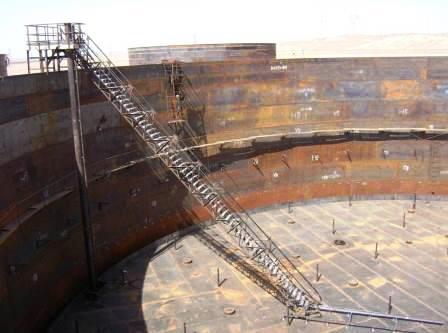
Ultimately, logistical considerations such as organizing, offered sources, and interaction in between group participants ought to be addressed. By preparing methodically, examiners can boost the performance of the analysis and make certain that all essential factors are duly considered before proceeding with the examination itself.
Conducting Aesthetic Examinations
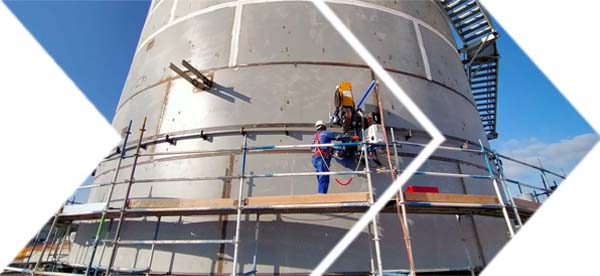
Performing aesthetic assessments is a vital step in the welding examination process, requiring careful prep work to ensure efficient assessment. Examiners should know with crucial flaw indications that can indicate possible problems in weld top quality. By focusing on these facets, one can boost the overall integrity of the evaluation end results.
Getting Ready For Visual Inspection
Aesthetic inspection offers as a crucial very first step in the welding examination process, assuring that any kind of prospective flaws are recognized early (API 650 Welding Inspection). Appropriate prep work is important for efficient aesthetic inspection. Examiners should begin by examining pertinent documentation, including welding treatments and specifications, to comprehend the job needs. They must gather essential devices, such as magnifying glasses, flashlights, and suitable individual safety equipment (PPE) A complete examination of the evaluation area is crucial; examiners should verify it is free and clean of blockages. In addition, it is essential to establish perfect illumination problems to improve exposure of welds. By taking these preparatory steps, inspectors can create a setting for recognizing disparities and ensuring the honesty of the bonded structuresTrick Issue Indicators
A comprehensive understanding of essential defect indications is vital during visual inspections to guarantee the top quality and safety and security of bonded joints. Assessors must focus on particular indicators such as cracks, porosity, undercuts, and insufficient combination. Cracks may look like sharp lines and can jeopardize structural integrity. Porosity shows up as tiny holes that can weaken weld toughness. Undercuts, which are grooves along the weld side, can cause tension concentration. Insufficient fusion suggests that the weld metal did not effectively bond with the base material, resulting in a weak joint. By methodically identifying these problems, assessors can establish compliance with sector requirements and boost the general reliability of bonded structures, inevitably contributing to safer functional conditions.Applying Non-Destructive Evaluating Strategies

Countless non-destructive screening (NDT) techniques are integral to assuring the integrity of bonded structures without jeopardizing their functionality. These techniques permit examiners to evaluate weld high quality and spot defects without creating damages to the materials being examined. Common NDT methods consist of ultrasonic testing, radiographic testing, magnetic fragment testing, and dye penetrant screening. Each approach serves a particular objective, dealing with various sorts of flaws such as fractures, porosity, or insufficient fusion.
Executing NDT methods calls for a systematic technique, starting with selecting the suitable technique based on the products and the nature of the weld. Educating employees in these techniques is vital for precise outcomes. In addition, developing clear procedures and requirements assurances consistency throughout the assessment procedure. By integrating NDT right into the welding inspection operations, companies can boost the reliability of their products while reducing prospective dangers connected with architectural failings. This proactive approach ultimately adds to maintaining safety and security special info and high quality requirements in welded buildings.
Documenting and Evaluating Examination Results
Reliable documentation and analysis of assessment results are important components of the welding inspection process. Precise records of evaluation findings work as a referral for quality control and conformity with sector requirements. API 650 Welding Inspection. Inspectors should make use of structured types or digital platforms to log details such as the kind of weld, assessment methods employed, and any kind of disparities determined throughout the examinationOnce information is gathered, extensive analysis is essential. This involves contrasting results against developed criteria to determine trends or persisting issues. Analytical tools might be employed to measure defects and analyze their effect on total weld high quality.
Moreover, efficient interaction of findings to pertinent stakeholders is important. Summaries and check these guys out records must be clear and succinct, highlighting crucial understandings and recommendations for restorative activities. By methodically analyzing and documenting assessment outcomes, organizations can cultivate continuous improvement in welding methods and boost item integrity.
Often Asked Inquiries
What Credentials Are Needed to Become a Welding Examiner?
To become a welding examiner, one normally requires relevant qualifications such as AWS CWI, together with experience in welding techniques, expertise of welding codes, and efficiency in examination techniques to guarantee quality and security requirements.Exactly How Often Should Welding Inspections Be Conducted?
Welding assessments need to be performed regularly, generally after each weld is completed, and occasionally throughout tasks. Variables such as task intricacy, sector standards, and regulatory requirements can influence the regularity of these examinations.What Is the Price of Welding Evaluation Solutions?
The cost of welding inspection services differs significantly based upon aspects such as job complexity, area, and size. Commonly, costs range from $100 to $150 per you can try these out hour, with additional costs for specialized screening and qualifications.Exist Certifications for Welding Inspectors?
Yes, there are various qualifications for welding assessors, including those provided by the American Welding Society (AWS) and the International Institute of Welding (IIW) These qualifications ensure inspectors have the needed skills and knowledge for reliable examinations.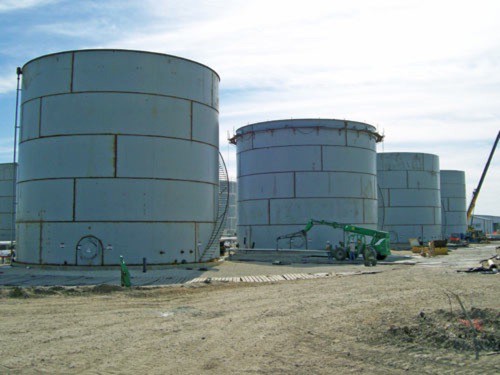
How Do I Choose an Evaluation Company?
To pick an inspection company, one ought to examine qualifications, experience, industry track record, and consumer reviews. In addition, comparing solution offerings and rates can help guarantee the picked supplier fulfills specific job requires effectively.Furthermore, employees entailed in the inspection should be effectively educated and accredited in welding examination strategies to assure dependability and precision. Performing aesthetic inspections is a vital action in the welding assessment process, needing mindful preparation to ensure effective evaluation. Aesthetic evaluation serves as an important first step in the welding evaluation procedure, guaranteeing that any potential defects are identified early. Effective documents and analysis of assessment results are essential parts of the welding assessment procedure. Welding assessments should be conducted frequently, commonly after each weld is finished, and occasionally throughout tasks.
Report this wiki page